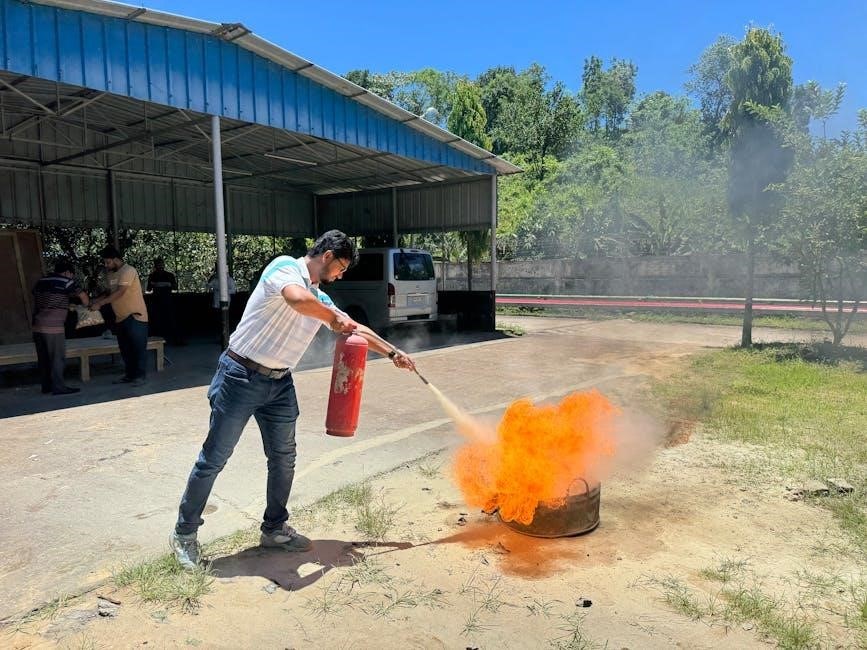
fire protection guide to hazardous materials
Navigating the complexities of hazardous materials requires a robust fire protection strategy, encompassing prevention plans, proper storage, and diligent equipment maintenance.
Compliance with OSHA regulations (1910.39 & 1926.152) is paramount, alongside understanding hazard classes and mitigating risks from flammable liquids and potential ignition sources.
Effective incident reporting, coupled with UW Environmental Health & Safety guidance, ensures a safe environment, addressing common hazards like obstructed sprinklers and improper storage.
The presence of hazardous materials (HazMat) significantly elevates fire risk within facilities, demanding a proactive and comprehensive fire protection approach. These materials, due to their inherent chemical or physical properties, pose unique challenges beyond those presented by ordinary combustibles. Understanding these risks is the foundational step towards effective mitigation.
A robust fire prevention plan, as mandated by OSHA (1910.39), is crucial. This plan must meticulously detail all major fire hazards, outlining proper handling and storage procedures for each hazardous material present. Identifying potential ignition sources and implementing controls to prevent their activation are equally vital components.
Furthermore, recognizing common fire hazards – such as obstructed fire protection equipment, blocked exits, electrical machinery issues, and improper storage practices – is essential for a thorough risk assessment. The potential for incidents involving oily rags, combustible waste, and propane/gasoline-operated lift trucks must also be addressed.
Ultimately, a successful strategy hinges on diligent maintenance of safeguards, adherence to fire code requirements, and a commitment to reporting any work-related incidents to Environmental Health & Safety, ensuring a safe operational environment.
Understanding Hazard Classes
Hazardous materials are systematically categorized into classes based on their specific risks, a crucial element in developing targeted fire protection strategies. These classifications, while varying in detail across regulatory bodies, generally encompass flammability, corrosivity, reactivity, and toxicity.

Class 1 materials present explosion hazards, while Class 2 gases may be flammable, toxic, or corrosive. Classes 3 through 9 cover a spectrum of risks, including flammable liquids (a significant fire concern), oxidizers, and materials dangerous when transported. Recognizing these distinctions is paramount.
Flammable liquids, falling under specific hazard classes, require stringent storage protocols and automatic-closing heat-actuated valves on tank withdrawal connections (as per 1926.152) to prevent continued flow during a fire. Proper handling and storage procedures, detailed in a comprehensive fire prevention plan (1910.39), are essential.
Effective fire protection necessitates understanding how each hazard class behaves in a fire scenario, informing the selection of appropriate suppression agents and emergency response procedures. A thorough grasp of these classifications is fundamental to mitigating fire risks associated with hazardous materials.
Flammable and Combustible Liquids: Specific Concerns
Flammable and combustible liquids pose a significant fire risk due to their ability to readily ignite and sustain combustion. The primary concern revolves around vapor pressure – liquids with lower flash points generate more flammable vapors at lower temperatures, increasing ignition probability.

Storage of these liquids demands strict adherence to regulations (1926.152), including appropriate container selection, ventilation, and separation from ignition sources. Tanks located inside buildings require automatic-closing heat-actuated valves on withdrawal connections to halt flow during a fire.
Improper storage practices, such as inadequate ventilation or proximity to heat sources, dramatically elevate the risk of fire. Oily rags and combustible waste, often saturated with flammable liquids, represent a particularly dangerous hazard requiring careful management.
Fire prevention plans (1910.39) must detail proper handling procedures, potential ignition source control, and the necessary fire protection equipment. Maintaining clear aisles and preventing stock obstruction of sprinklers are vital preventative measures, alongside diligent housekeeping to eliminate combustible debris.
Fire Prevention Plans: OSHA Requirements (1910.39)
OSHA regulation 1910.39 mandates that employers develop and implement comprehensive fire prevention plans, particularly crucial when handling hazardous materials. These plans aren’t merely documents; they are living strategies for minimizing fire risks and ensuring employee safety.
A compliant plan must detail a list of all major fire hazards present in the facility, encompassing both the materials themselves and potential ignition sources. Crucially, it must outline proper handling and storage procedures for each hazardous material, minimizing the chance of accidental release or ignition.
The plan should also address potential ignition sources – electrical equipment, hot work, smoking – and detail control measures to prevent their interaction with flammable substances. Regular maintenance of safeguards on heat-producing equipment is essential to prevent accidental ignition.
Furthermore, the plan must specify the type of fire protection equipment needed to control each hazard, alongside procedures for its regular inspection and maintenance. Employee training on the plan’s contents and emergency procedures is non-negotiable, ensuring a prepared and responsive workforce.
Major Fire Hazards Associated with Hazardous Materials
Hazardous materials introduce a spectrum of fire risks extending beyond typical combustibles. Flammable and combustible liquids pose an immediate threat, easily igniting from sparks or heat, leading to rapid fire spread and potential explosions.
Improper storage practices significantly amplify these dangers. Poorly ventilated areas can allow flammable vapors to accumulate, creating explosive atmospheres. Incompatible materials stored together can react violently, generating heat and igniting fires.
Electrical hazards are also prominent. Faulty wiring or improperly grounded equipment can generate sparks, igniting flammable vapors or dusts. Extension cords, often overloaded, represent a significant ignition source.
Common oversights, like obstructed fire protection equipment – sprinklers blocked by stock, or obstructed exits – severely hinder fire suppression efforts. Accumulations of oily rags and combustible waste represent readily available fuel sources. Furthermore, propane or gasoline-operated lift trucks introduce mobile ignition sources within facilities.
Storage of Flammable Liquids: Regulations (1926.152)
OSHA regulation 1926.152 dictates stringent requirements for the safe storage of flammable liquids, prioritizing prevention of fire and explosion. Materials used in storage tanks, beyond steel, must be suitable for anticipated pressures, structural stresses, and potential fire exposures.
Specifically, tanks located inside buildings – excluding one-story structures designed for flammable liquid storage – require automatic-closing, heat-actuated valves on each withdrawal connection below the liquid level. These valves, excluding those for emergency disposal, prevent continued flow during a fire.
This regulation emphasizes the importance of preventing fuel sources from exacerbating a fire. Proper ventilation is crucial to avoid vapor accumulation. Storage areas must be clearly demarcated and constructed of fire-resistant materials.
Furthermore, grounding and bonding procedures are essential to prevent static electricity buildup, a common ignition source. Regular inspections and maintenance of storage tanks and associated equipment are mandatory to ensure continued compliance and operational safety.
Automatic-Closing Heat-Actuated Valves for Tanks
Automatic-closing, heat-actuated valves are critical safety devices mandated by OSHA (1926.152) for flammable liquid storage tanks, particularly those situated inside buildings – excluding specifically designed one-story facilities.
These valves are strategically installed on each withdrawal connection positioned below the liquid level, functioning as a crucial fire suppression measure. Their primary purpose is to immediately halt the flow of flammable liquids in the event of a fire occurring near the tank.
The heat-actuated mechanism triggers closure when ambient temperatures rise rapidly, indicating a fire. This prevents continued fueling of the fire, significantly reducing its intensity and potential for escalation. Emergency disposal connections are typically exempted from this requirement.
Regular inspection and testing of these valves are paramount to ensure their reliable operation. Maintenance should include verifying the fusible link’s integrity and confirming the valve’s responsiveness to heat. Proper functioning is vital for effective fire protection.
Electrical Hazards and Hazardous Materials
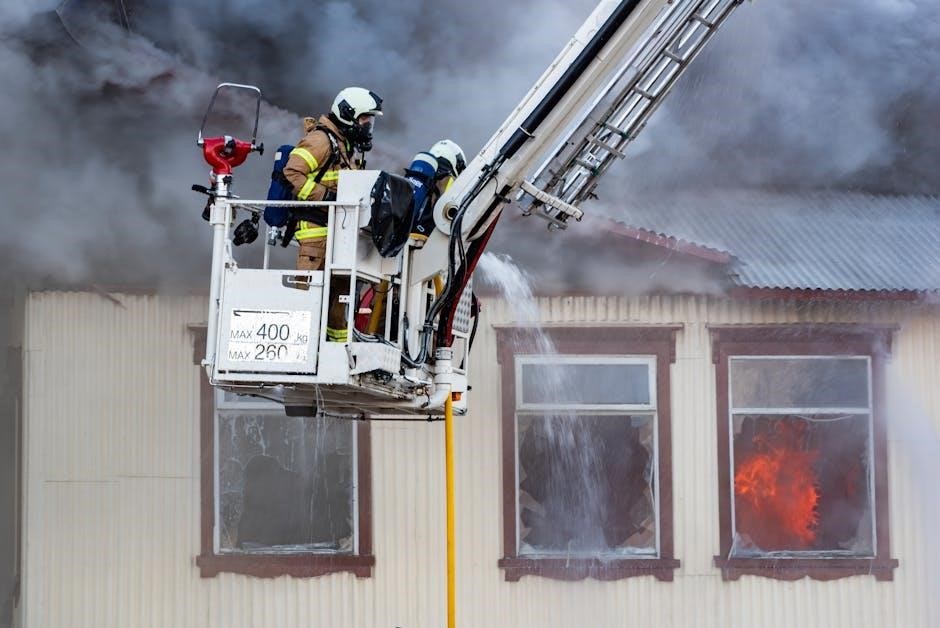
The intersection of electrical systems and hazardous materials presents significant fire risks, demanding meticulous attention to safety protocols. Electrical machinery, often a source of ignition, requires careful management when operating near flammable substances.
Common hazards include faulty wiring, overloaded circuits, and the use of unapproved electrical equipment in hazardous locations. Extension cords, frequently cited in fire inspection reports, pose a particular threat due to their potential for damage and overheating.
OSHA’s fire prevention plans (1910.39) emphasize identifying and controlling potential ignition sources, including electrical ones. This necessitates regular maintenance of electrical safeguards on heat-producing equipment to prevent accidental combustion.
Implementing appropriate electrical safety measures, such as using intrinsically safe equipment in classified locations and ensuring proper grounding, is crucial. Thorough inspections should identify and rectify any electrical deficiencies promptly. Prioritizing electrical safety minimizes the risk of fire involving hazardous materials, safeguarding personnel and facilities.
Improper Storage Practices and Fire Risks
Substandard storage of hazardous materials dramatically elevates fire risks, creating a cascade of potential hazards. Poor storage practices, consistently flagged during fire inspections, often involve inadequate separation of incompatible chemicals and failure to adhere to regulatory guidelines.
Overhead doors obstructed by stock, a common finding, impede access for emergency responders and compromise fire suppression efforts. Similarly, stock obstructing sprinklers renders these vital fire protection systems ineffective, increasing the potential for catastrophic loss.
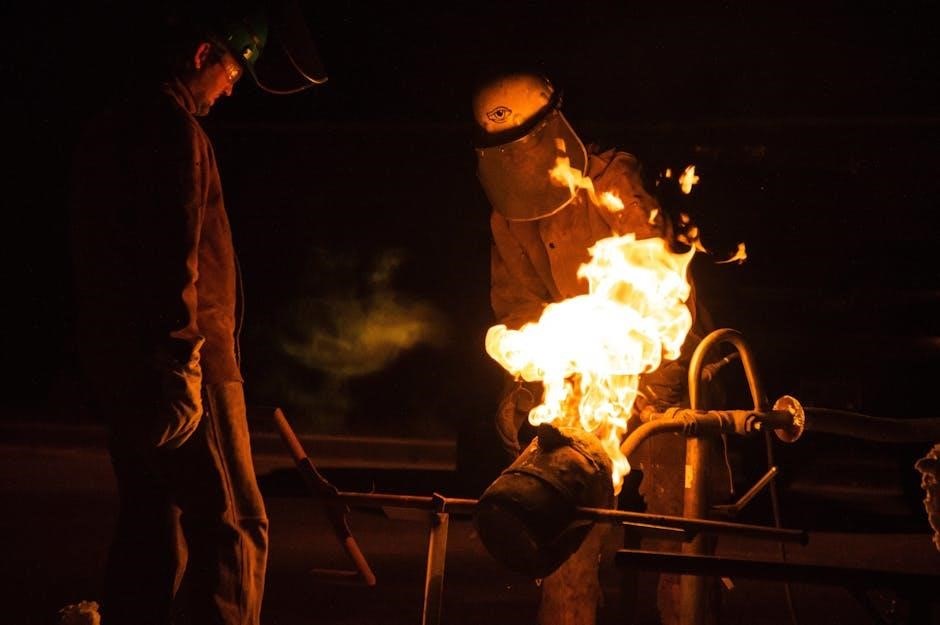
Flammable liquid storage requires strict adherence to regulations (1926.152), including proper ventilation, grounding, and the use of approved containers. Failure to comply can lead to vapor accumulation and ignition.
Maintaining clear aisles, ensuring proper labeling, and implementing a robust inventory management system are essential. Addressing these deficiencies minimizes the likelihood of fire incidents stemming from improper storage, protecting both personnel and property. Diligence in storage practices is a cornerstone of effective hazardous materials fire protection.
Oily Rags and Combustible Waste Management
Oily rags and other combustible waste represent a significant, often underestimated, fire hazard in facilities handling hazardous materials. These materials, when saturated with flammable substances, undergo spontaneous combustion, initiating fires even without an apparent ignition source.
Proper management necessitates storing oily rags in tightly sealed, metal containers specifically designed for this purpose. These containers should be located away from heat sources and readily accessible for disposal.
Regular disposal of combustible waste is crucial, adhering to local and federal regulations. Accumulation of waste creates fuel loads, exacerbating fire risks and hindering emergency response.
Fire inspections frequently cite improper disposal of oily rags and combustible debris as a common violation. Implementing a comprehensive waste management program, including employee training on proper handling and disposal procedures, is paramount. Proactive management minimizes the risk of spontaneous combustion and safeguards against potential fire incidents, protecting personnel and assets.
Fire Protection Equipment Maintenance
Consistent and thorough maintenance of fire protection equipment is non-negotiable when handling hazardous materials. A lapse in upkeep renders critical safety systems unreliable, potentially escalating a minor incident into a catastrophic event.
Regular inspections, testing, and servicing of fire extinguishers, sprinkler systems, and fire alarms are essential. Extinguishers must be readily accessible, fully charged, and inspected monthly for damage or pressure loss.
Sprinkler systems require annual professional inspections to ensure proper functionality, including flow testing and nozzle inspection. Obstructions to sprinkler heads, a common fire code violation, must be immediately addressed.
OSHA mandates procedures for maintaining safeguards on heat-producing equipment to prevent combustible material ignition. Detailed records of all maintenance activities should be meticulously maintained, demonstrating compliance and providing a historical reference for system performance. Proactive maintenance isn’t merely a regulatory requirement; it’s a fundamental component of a robust fire protection strategy, safeguarding lives and property.
Sprinkler System Obstruction and Hazardous Materials
The presence of hazardous materials dramatically elevates the risk associated with sprinkler system obstructions. Even minor blockages can severely compromise the effectiveness of fire suppression, leading to rapid fire spread and potentially catastrophic consequences.
Stock obstructing sprinklers is a frequently cited fire code violation, particularly in facilities storing flammable liquids or combustible materials. Maintaining clear space around sprinkler heads – typically 18 inches below and above – is crucial for unobstructed water distribution.
Hazardous materials often require specialized suppression techniques; obstructed sprinklers hinder the system’s ability to deliver the necessary agent. Regular inspections must specifically address potential obstructions caused by stored materials, equipment, or even accumulated dust.
Furthermore, improper storage practices contribute significantly to this hazard. Pallet stacking, haphazard material placement, and failure to maintain clear access aisles all increase the likelihood of sprinkler head blockage. Prioritizing housekeeping and implementing strict storage protocols are vital to ensure sprinkler system reliability when dealing with hazardous materials.
Fire Separations and Isolation of Hazardous Materials
Maintaining robust fire separations is paramount when handling hazardous materials, preventing fire spread and protecting personnel. These separations, often achieved through fire-rated walls, floors, and doors, create distinct zones to contain potential incidents.
Effective isolation minimizes the risk of a fire involving one hazardous material from escalating to encompass others. This is particularly critical when storing incompatible substances, where a reaction could exacerbate the situation.
Fire code compliance demands adherence to specified fire-resistance ratings for separation elements, based on the type and quantity of hazardous materials present. Regular inspections are essential to verify the integrity of these barriers, ensuring no breaches exist.
Violations of fire separation standards represent a significant safety hazard. Compromised fire doors, penetrations through fire-rated walls, or inadequate firestopping all undermine the protective function of these critical safeguards. Proper planning, construction, and ongoing maintenance are vital for ensuring effective fire separation and isolation of hazardous materials, safeguarding facilities and occupants.
Propane/Gasoline-Operated Lift Trucks: Safety Considerations
The use of propane or gasoline-powered lift trucks within facilities handling hazardous materials introduces unique fire risks demanding stringent safety protocols. These internal combustion engine (ICE) vehicles present both fuel storage and ignition source concerns.
Proper ventilation is crucial to prevent the accumulation of flammable vapors, especially in enclosed areas. Regular maintenance of the lift truck’s engine and fuel system is essential to minimize leaks and ensure optimal performance.
Designated refueling areas, located outdoors or in well-ventilated spaces, are mandatory. These areas should be clearly marked and equipped with appropriate fire suppression equipment. Battery charging stations must also adhere to safety standards.
Furthermore, adherence to fire code regulations regarding the separation of these vehicles from hazardous material storage areas is vital. Training for operators on safe fuel handling, leak detection, and emergency procedures is non-negotiable. Ignoring these considerations significantly elevates the risk of a catastrophic fire event, impacting facility safety and operational continuity.
Hazardous Materials Incident Reporting
Prompt and thorough incident reporting is a cornerstone of any effective hazardous materials fire protection program. Any work-related event involving hazardous materials – spills, leaks, near misses, or actual fires – must be documented and reported immediately to Environmental Health & Safety (EH&S).
Detailed reports should include the type of material involved, the quantity released, the location of the incident, and a comprehensive description of the events leading up to it. Accurate reporting facilitates root cause analysis and prevents recurrence.
UW personnel are specifically required to submit incident reports to EH&S, ensuring consistent tracking and investigation. This process isn’t punitive; it’s designed to improve safety protocols and identify potential vulnerabilities within the facility’s hazardous materials management system.
Effective reporting also aids in regulatory compliance and demonstrates a commitment to workplace safety; Ignoring reporting requirements can lead to fines, legal repercussions, and, most importantly, increased risk of future incidents. A proactive reporting culture is paramount for maintaining a safe operating environment.
UW Environmental Health & Safety Compliance
The University of Washington’s Environmental Health & Safety (EH&S) department plays a crucial role in ensuring compliance with complex fire code requirements related to hazardous materials. EH&S provides comprehensive support to personnel involved in the use and storage of chemicals, navigating intricate regulations and best practices.
Their expertise extends to assisting with hazard assessments, developing safe work procedures, and providing training on proper handling and emergency response protocols. EH&S actively promotes a culture of safety, emphasizing proactive measures to prevent incidents and mitigate risks associated with hazardous materials.
Compliance isn’t merely about adhering to rules; it’s about protecting the health and safety of students, faculty, and staff. EH&S offers resources and guidance to help departments achieve and maintain a safe working environment, minimizing the potential for fires and other emergencies.
Utilizing EH&S’s services is essential for all UW facilities handling hazardous materials, ensuring a consistent and effective approach to fire protection and regulatory adherence. They are a vital partner in fostering a safe and compliant campus community.
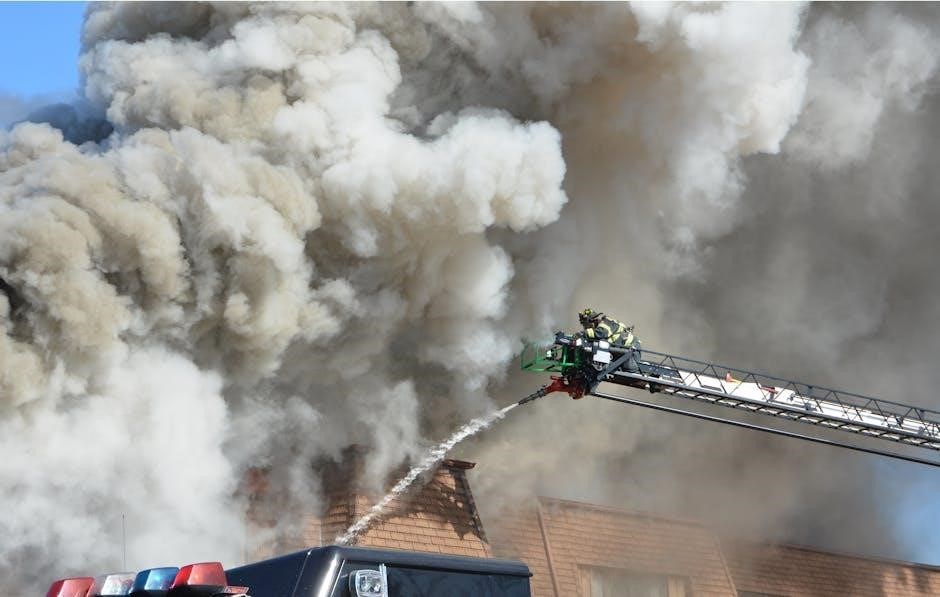
Common Fire Hazards in Facilities Handling HazMat
Facilities that handle hazardous materials face a unique spectrum of fire risks demanding vigilant attention. A frequently observed hazard is fire protection equipment not in service, rendering critical systems ineffective during emergencies. Overhead doors obstructed by stock impede access for firefighters and hinder evacuation procedures.
Exits blocked by materials create dangerous bottlenecks, delaying escape and potentially leading to severe injuries. Electrical machinery hazards, including faulty wiring and overloaded circuits, represent significant ignition sources. The misuse of extension cords further exacerbates these electrical risks.
Improper flammable liquid storage, including inadequate ventilation and lack of proper containers, dramatically increases the likelihood of fire. Accumulations of oily rags and other combustible waste can spontaneously combust, initiating fires. Poor storage practices generally contribute to fuel loads and hinder fire suppression efforts.
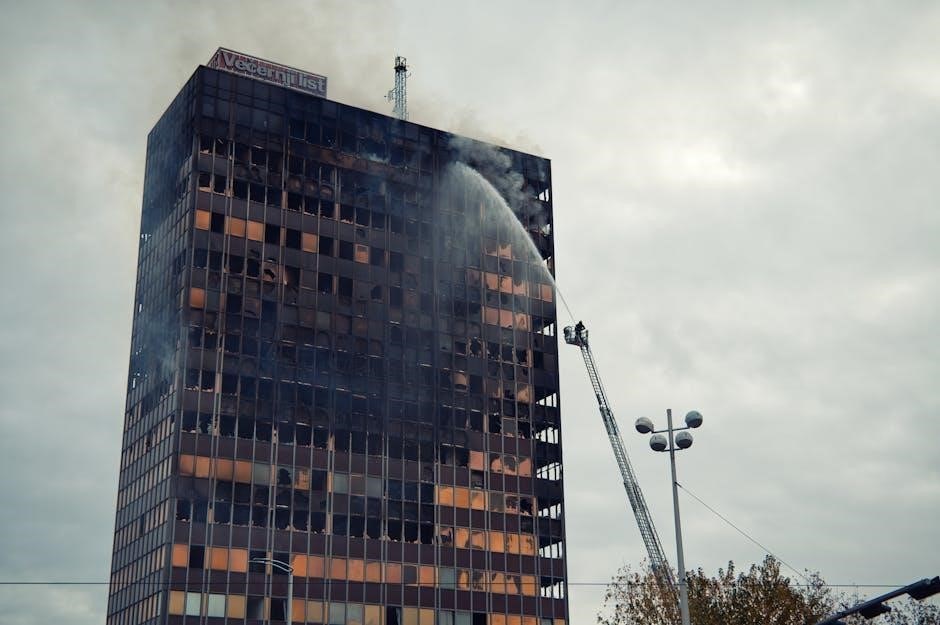
Violations of fire separations compromise containment, allowing fires to spread rapidly. The use of propane- or gasoline-operated lift trucks introduces flammable fuel sources, and inadequate separation and isolation of hazardous materials amplifies the potential for catastrophic incidents.
Best Practices for Hazardous Material Fire Protection
Implementing a comprehensive fire protection program begins with meticulous fire prevention planning, adhering to OSHA 1910.39 guidelines. This includes detailed hazard assessments, safe handling procedures, and control of ignition sources. Regular maintenance of safeguards on heat-producing equipment is crucial to prevent accidental combustion.
Proper storage of flammable liquids, compliant with 1926.152, necessitates appropriate containers, ventilation, and segregation from incompatible materials. Automatic-closing heat-actuated valves on tank withdrawal connections are essential for fire containment. Diligent oily rag and combustible waste management prevents spontaneous ignition.
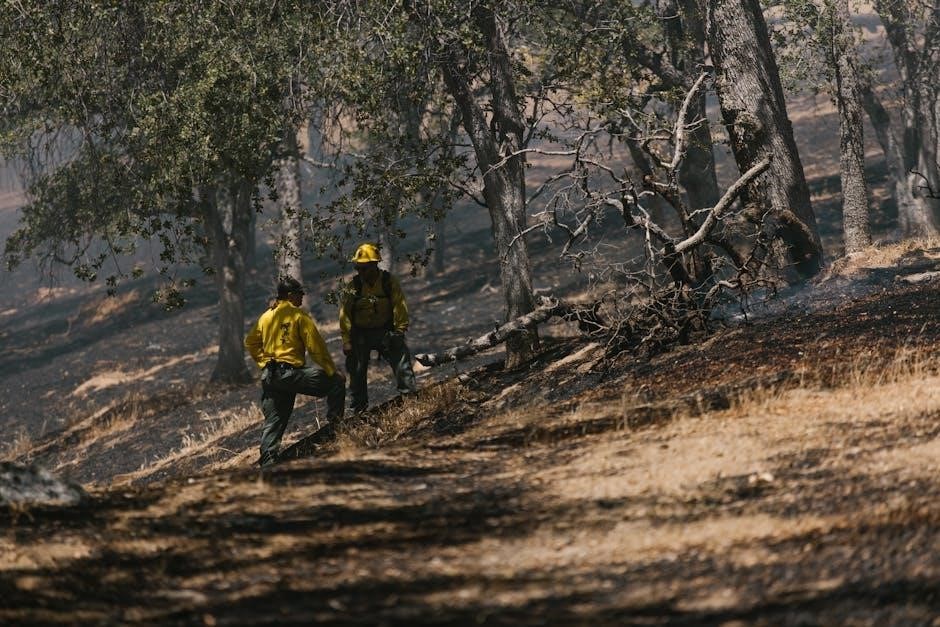
Maintaining unobstructed access to fire protection equipment and ensuring its operational readiness is paramount. Clear exit pathways and unobstructed sprinkler systems are vital for safe evacuation and effective fire suppression. Regular inspections identify and rectify potential hazards proactively.
Training personnel on hazardous material handling, fire prevention, and emergency response procedures is non-negotiable. Prompt incident reporting to Environmental Health & Safety facilitates investigation and corrective actions, fostering a culture of safety and continuous improvement.