
2007 honda pilot owners manual
Manual Structure and Access
The 2007 Honda Pilot Owner’s Manual is organized into sections covering vehicle basics, safety, maintenance, and troubleshooting. It’s available as a PDF download on official sites and can be purchased in print from dealers or online retailers. The manual’s clear layout aids quick reference. Get it online. !
PDF Download and Physical Manual Availability
For owners of the 2007 Honda Pilot, the official owner’s manual is readily accessible in both digital and hard‑copy formats. The PDF version can be downloaded from Honda’s official website or reputable automotive libraries, typically in a compressed file around 4.5 MB that preserves the original layout, diagrams, and safety warnings. Users can view the document on any device with a PDF reader, bookmark sections, and even print specific pages for quick reference. The manual is also available through third‑party retailers such as Amazon and eBay, where sellers often list the OEM manual in PDF form for a nominal fee. In addition, the manual can be purchased in print from Honda dealerships or authorized parts stores; these hard copies are bound, laminated, and include the same comprehensive information as the digital version, making them ideal for quick look‑ups without an internet connection. For those who prefer a tactile reference, the printed manual is typically priced between $10 and $20, depending on the retailer and whether it is a new or used copy. Some online platforms offer bundled deals that include the manual with other maintenance guides or replacement parts. Whether you choose the PDF for convenience or the physical book for durability, the 2007 Honda Pilot owner’s manual remains an essential resource for maintenance, troubleshooting, and safe operation Owners can also access the manual via the Honda Owners Club portal, where updates and bulletins are posted regularly daily

Vehicle Overview and Specifications
The 2007 Honda Pilot is a midsize SUV featuring a 3.5L V6 engine, 4‑speed automatic, seating for up to eight, and a 2‑row or optional 3‑row configuration. It offers 20‑inch wheels, 6‑speed manual, and standard V6 power. It offers a 3‑row seating and a 4‑speed.
Engine, Transmission, and Powertrain Details
The 2007 Honda Pilot is equipped with a 3.5‑liter V6 engine that delivers 210 horsepower and 240 lb‑ft of torque. It is paired with a 4‑speed automatic transmission that provides smooth shifts and a 4:1 final drive ratio. The engine uses a multi‑point fuel injection system and an aluminum block with cast‑iron heads, ensuring durability and efficient cooling. The transmission features a torque‑converter clutch pack and a 4‑speed planetary gear set. The powertrain is front‑wheel‑drive, with an optional four‑wheel‑drive system that adds a transfer case and a low‑range gear for off‑road capability. The engine’s compression ratio is 10.5:1, and it is paired with a 6‑speed manual gearbox as an option, which provides a 5.8:1 final drive ratio. The vehicle’s cooling system uses a 1.5‑liter radiator and a thermostat set at 195°F, while the oil system is a dry‑sump design with a 5.6‑quart capacity. The powertrain also includes a 3‑way catalytic converter and an electronic throttle control. The Pilot’s powertrain is designed for both on‑road comfort and off‑road versatility, with a 4.5‑inch ground clearance. The 2007 Pilot’s powertrain is equipped with an electronic stability control system that monitors wheel speed and applies brake force to maintain traction. The engine’s intake manifold is made of aluminum, and the exhaust system uses a stainless‑steel manifold for durability. The 2007 Pilot’s powertrain is engineered to meet EPA emissions standards and is certified for use in the United States, Canada, and other markets. Additionally, the Pilot’s powertrain benefits from a robust cooling system that includes a high‑capacity radiator and a dual‑stage thermostat, ensuring optimal operating temperatures across diverse driving conditions. The vehicle’s drivetrain also incorporates a reinforced transfer case, enhancing durability for challenging terrains. All components meet stringent safety standards!!!
Operating the 2007 Honda Pilot
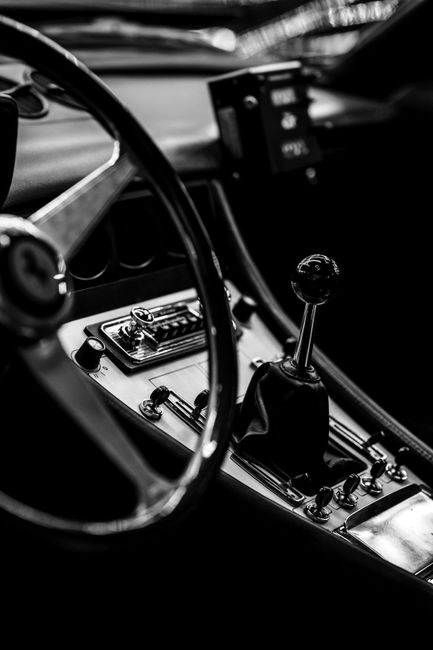
Start the engine with the key or remote, adjust seat and mirrors, then engage the correct drive mode. Use the center console controls for navigation, climate, and audio. Follow the shift pattern for 4WD, and always check tire pressure before long trips. Use gear!!
Interior Comfort and Convenience Features
Climate control is dual‑zone automatic, with separate temperature settings for the front and rear passengers. The system includes a heated steering wheel, heated front seats, and a rear‑seat heater for added comfort in colder weather. A touchscreen infotainment display is mounted on the center console, featuring Bluetooth connectivity, USB ports, and an auxiliary input. The system supports navigation, radio, and smartphone integration via Apple CarPlay and Android Auto, allowing seamless access to maps, music, and messaging.
- Power‑folding third‑row seats for quick cargo access.
- Rear‑seat entertainment system with dual screens and a rear‑view camera.
- Automatic climate control with separate zones and heated seats.
- Integrated Bluetooth, USB, and auxiliary inputs on the infotainment display.
- Memory seat positions for driver and front passenger.
- Power‑adjustable front seats with lumbar support.
- Rear‑view camera with dynamic guidelines and parking assist.
- Keyless entry and push‑button start for convenience.
Additional convenience features include a built‑in USB charger, a 12‑V power outlet, a rear‑seat entertainment system, and a rear‑view camera. The cabin is designed for durability with high‑quality materials, and the interior lighting is adjustable, providing a pleasant atmosphere for long drives. All these features combine to make the 2007 Honda Pilot a comfortable and versatile family SUV.
Enjoy!Go. Now

Maintenance and Service Schedule
Follow the 2007 Honda Pilot schedule: oil every 5,000 miles, tire rotation every 7,500, brake inspection at 15,000, fluid checks quarterly, and a full service at 30,000 miles. Keep records for warranty and resale value. Refer to the manual for service intervals.
Recommended Maintenance Intervals and Procedures
For the 2007 Honda Pilot, the Owner’s Manual specifies a maintenance schedule designed to preserve reliability. Engine oil and filter should be replaced every 5,000 miles or six months, whichever comes first, using the manufacturer‑recommended 5W‑20 synthetic blend. At 15,000 miles, a full inspection of the engine cooling system, including radiator, heater core, and hoses, is advised; replace any cracked or leaking components immediately. Brake pads and rotors require visual inspection at 10,000‑mile intervals; replace pads when thickness falls below 3 mm and rotors when surface wear exceeds 0.3 mm. Tire rotation and alignment checks are recommended every 7,500 miles to ensure even tread wear and optimal handling. Air‑filter replacement occurs at 15,000 miles. Transmission fluid should be changed at 30,000 miles. Spark plugs are replaced at 60,000 miles. The manual also recommends a full fluid‑service check (coolant, brake, power‑train, and windshield washer) at every 10,000‑mile service. For vehicles in harsh climates, additional checks for battery health, alternator output, and serpentine‑belt tension are advised at 12,000‑mile intervals. Inspect suspension bushings and shocks, replacing them every 30,000 miles. Check the timing belt at 60,000 miles if equipped. Use a torque wrench for fasteners. Keeping a detailed log of all services extends the life of the Pilot and helps maintain resale value and warranty compliance. Follow the exact procedures outlined in the “Maintenance” chapter, including torque specifications, torque‑wrench sequences, and safety precautions such as proper jack‑stand placement and wheel‑wheel lock usage. If unsure about any procedure, consult a certified Honda technician or the official service manual for step‑by‑step guidance
Fluid Management and Replacement
Engine oil: 5W‑20, change every 5,000 mi. Coolant: 50/50 mix, replace at 30,000 mi. Transmission fluid: check at 30,000 mi, replace at 60,000 mi. Brake fluid: flush every 20,000 mi. Check all levels monthly, top up with OEM fluids.Keep all fluid levels within the specified ranges to prevent engine damage and maintain optimal performance.!!!
Engine Oil, Coolant, and Transmission Fluid Guidelines

For the 2007 Honda Pilot, the manual specifies a 5W‑20 fully synthetic oil for optimal engine protection; The recommended change interval is 5,000 miles or 6 months, whichever comes first, unless the vehicle is driven in severe conditions (e.g., frequent short trips, heavy towing, or extreme temperatures), in which case a 3,000‑mile interval is advised; Always use the OEM‑approved oil type and verify the oil level with the dipstick after the engine has cooled; over‑filling can lead to foaming and reduced lubrication.
Coolant maintenance follows a 50/50 blend of Honda‑approved antifreeze. The manual advises a coolant change every 30,000 miles or 36 months, whichever occurs first, to prevent corrosion, overheating, and freeze‑thaw damage; Flush the system with antifreeze to remove old coolant.
Transmission fluid is a critical component for the Pilot’s automatic gearbox. The manual recommends checking the fluid level at 30,000 miles and performing a full fluid and filter replacement at 60,000 miles. Use the specified Honda ATF‑W-2 fluid, which offers the correct viscosity and additive package for the Pilot’s transmission. A low fluid level can cause shifting issues, while over‑filled fluid may lead to pressure buildup and seal wear. Inspect the fluid’s color and odor; a clear amber hue indicates proper condition, whereas a burnt smell or dark color signals the need for replacement.
Use a oil filter and keep oil level within dipstick range to avoid wear.!!
Tire, Wheel, and Braking Systems
Check tire pressure per manual: 32 psi front, 30 psi rear. Inspect tread every 5,000 miles; replace if <2/32". Align wheels every 10,000 miles. Brake pads checked at 15,000 miles; change fluid every 30,000 miles. Maintain wheel bearings and inspect brake rotors now!!
Tire Pressure Monitoring, Wheel Alignment, and Brake Fluid
For optimal safety and fuel economy the 2007 Honda Pilot’s recommended tire pressure is 32 psi for the front tires and 30 psi for the rear tires. Use a reliable gauge to check pressure at least once a month and before long trips. Inflate to the specified values when tires are cold as temperature changes can affect readings. If pressure drops below 30 psi refill with air or replace a damaged tire. The manual advises inspecting tread depth every 5,000 miles; replace tires when tread is less than 2 /32″. Proper tire maintenance extends wheel life and. Now.
Wheel alignment should be performed every 10,000 miles or whenever you notice uneven tire wear, a steering wheel that is not centered, or a vehicle pulling to one side. Alignment adjustments include camber, caster, and toe angles. Maintaining the manufacturer’s alignment settings ensures even tire wear, reduces steering effort, and preserves suspension components. Use a certified alignment shop to achieve precise adjustments.
Brake fluid is a critical hydraulic component that must be kept clean and at the correct level. The Pilot’s service schedule recommends changing the brake fluid every 30,000 miles or 24 months, whichever comes first. Inspect the fluid level in the reservoir monthly; it should sit between the “MIN” and “MAX” marks. If the fluid appears dark or contains debris, replace it immediately. Use the manufacturer’s DOT 3 or DOT 4 brake fluid to maintain system integrity and avoid corrosion.
Electrical, Lighting, and Audio Systems

The 2007 Honda Pilot’s2007 12‑V system powers all accessories. Headlights use halogen bulbs; replace with OEM 2007 specs. Fog lights optional. Audio includes a 6‑speaker setup, CD player. Windows and locks are controlled the console Wiring diagram in Chapter 12
Headlights, Signals, and Infotainment System Setup
In the 2007 Honda Pilot, the headlight assembly uses 100W halogen bulbs (H11 for low beam, H7 for high beam). Replace each bulb with an OEM 2007 part to maintain proper beam pattern. The manual recommends checking alignment every 12,000 miles or after a collision. Fog lights are optional and use 55W bulbs; they should be installed only on the left side to avoid glare. Turn‑signal lamps are 12‑V LED clusters that illuminate on button press; the hazard switch activates all front and rear signals simultaneously. Brake and reverse lights are integrated into the tail‑lamp assembly and must be inspected for continuity during routine service. The infotainment system is a 6‑speaker audio module with a CD player, AM/FM radio, and optional navigation. To set up the system, press the “Power” button, select the desired source via the “Source” knob, and adjust volume with the “Volume” dial. For Bluetooth pairing, navigate to “Phone” in the menu, enable “Bluetooth,” and follow the on‑screen prompts to connect a paired device. The system also supports USB input; plug a USB drive into the rear console port to play MP3 files. The manual’s wiring diagram in Chapter 12 details all connections for troubleshooting.
The system’s audio output can be routed to the rear speakers via the rear audio selector switch located on the center console. For navigation, the GPS unit requires a valid subscription key; enter the key in the menu under “Navigation Settings.” The vehicle’s power windows and locks are controlled by the central console switch, which also powers interior dome light!

Safety Features and Driver Assistance
2007 Pilot includes dual‑airbag system, ABS, traction control, and rear‑view camera. Driver‑assist features are limited; no adaptive cruise or lane‑assist. Seat belts have pre‑tensioners, and child seat anchors are ISO‑FIX. Check manual for settings. (manuals)
Airbag, ABS, and Advanced Driver Assistance Systems
The 2007 Honda Pilot is equipped with a comprehensive safety suite that prioritizes occupant protection and vehicle stability. At the core of the system are dual front airbags that deploy in the event of a frontal collision, providing critical cushioning for the driver and front passenger. Side‑air bags are also present, offering additional protection for the torso and head in side impacts. Each airbag is integrated with a sophisticated sensor network that detects impact severity and timing, ensuring that deployment occurs only when necessary and at the optimal moment to mitigate injury. The vehicle’s anti‑locking braking system (ABS) works in tandem with the airbags to maintain steering control during emergency stops. ABS monitors wheel speed and modulates brake pressure to prevent wheel lockup, thereby reducing stopping distance and enhancing vehicle stability. This system is particularly valuable on wet or uneven surfaces, where loss of traction can lead to loss of control. In addition to the basic safety features, the Pilot incorporates several driver‑assist technologies that enhance situational awareness and reduce driver fatigue. A rear‑view camera provides a live feed of the area behind the vehicle, making reverse maneuvers safer and easier. The vehicle also includes a front‑sensor system that can detect obstacles and alert the driver to potential hazards. The combination of airbags, ABS, traction control, and a rear‑view camera creates a layered safety approach that protects occupants and helps prevent accidents. For detailed operation, maintenance, and troubleshooting of these systems, consult the “Safety Features” section of the Owner’s Manual. All systems are designed to meet exceed safety regulations.